


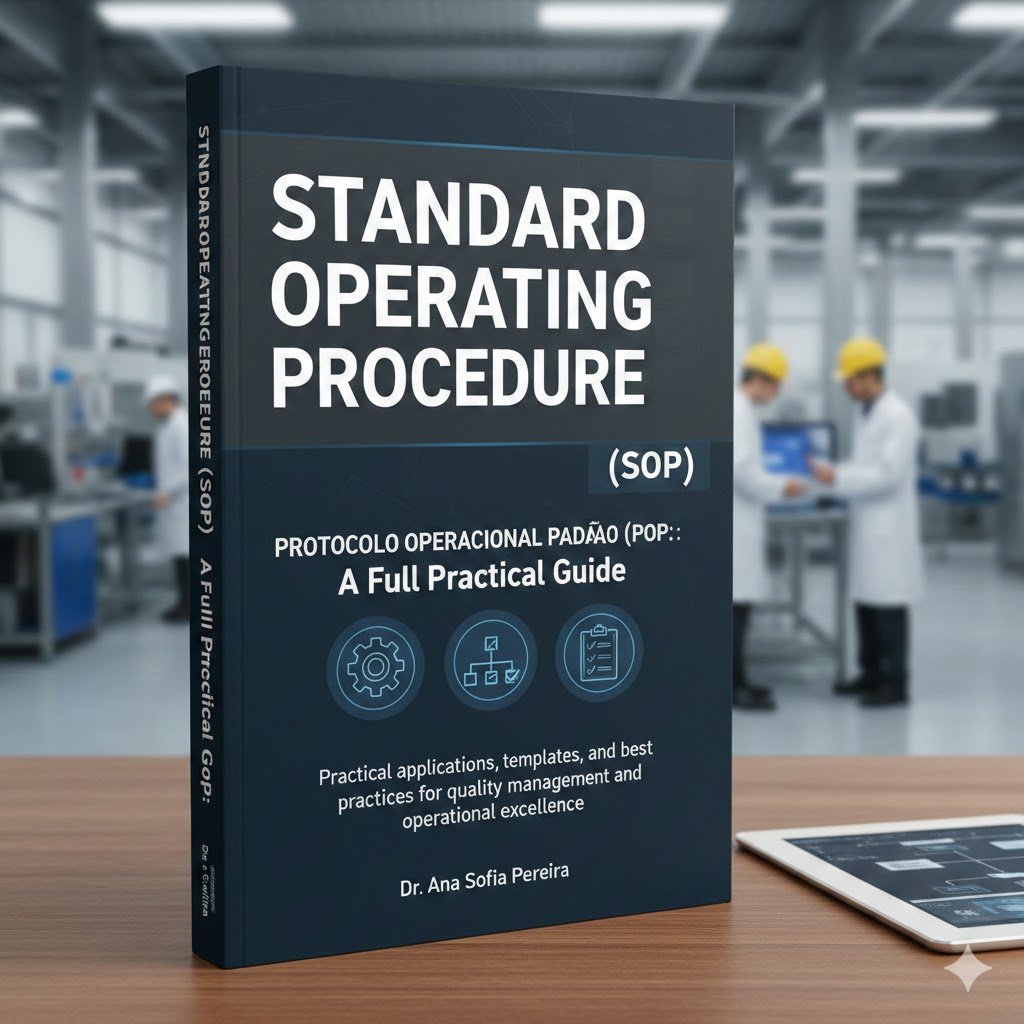
Every organization, from small startups to large corporations, faces one common challenge: ensuring work is done correctly every time. This is where a Standard Operating Procedure (SOP)—called Protocolo Operacional Padrão (POP) in Portuguese—becomes invaluable. An SOP is a written guide that explains how to perform a task step by step, ensuring quality, consistency, and efficiency.
In this guide, we will explore what a Standard Operating Procedure is, why it matters, how to create one, and how it helps businesses grow. We’ll also share real examples, best practices, and clear answers to common questions.
What Is a Standard Operating Procedure (SOP) / Protocolo Operacional Padrão (POP)?
A Standard Operating Procedure (SOP), or Protocolo Operacional Padrão (POP), is a written document that provides detailed instructions for completing a specific task, process, or operation in an organization. It defines the steps, responsibilities, tools required, and expected outcomes for that task.
In everyday language, an SOP is like a recipe for work. When each employee follows the SOP, the outcome becomes predictable, stable, and high quality. Whether it’s onboarding a new employee, serving a customer, or handling a machine, a good SOP makes the work clear and repeatable.
Why Use a Standard Operating Procedure?
Here are the main reasons organizations use Standard Operating Procedures (SOPs):
1. Consistency and Quality Control
When every team member follows the same steps, the output stays consistent. A POP ensures there are no shortcuts or mistakes that compromise quality.
2. Faster Training and Onboarding
New employees don’t need long explanations. They can learn directly from SOP documents, saving time and reducing training costs.
3. Reduced Errors and Risk
Clear steps help employees avoid mistakes and reduce operational risk. SOPs often include safety measures and alerts to prevent accidents.
4. Better Compliance
In regulated industries like healthcare, food service, manufacturing, and laboratories, SOPs help ensure compliance with internal policies and external laws.
5. Operational Efficiency
Standard Operating Procedures streamline workflows, remove confusion, and make tasks executable without repeated supervision.
6. Documentation and Accountability
SOPs assign responsibilities and provide documentation that can be used for performance reviews, audits, and quality improvement.
Together, these benefits help the business operate smoothly, reduce waste, and support growth.
Where SOPs (POP) Are Used Most
Standard Operating Procedures can be used in virtually any industry. Some common areas include:
- Healthcare – patient care, hygiene protocols, medication administration
- Manufacturing & Factory Work – machine operation, production safety
- Food & Beverage – kitchen processes, food preparation, sanitation
- Retail & Customer Service – opening/closing procedures, returns
- IT & Software – deployment steps, security checks
- Logistics & Warehousing – packing, shipping, inventory management
- Office Administration – payroll procedures, HR operations
In all these functions, a Standard Operating Procedure improves workflow, strengthens quality management systems, and reduces variability.
Key Elements of a Good Standard Operating Procedure
A strong SOP should be clear and actionable. Here are the essential parts:
1. Title and Version
Give the SOP a clear name and track its version number and date. This helps teams identify if they are using the latest version.
2. Purpose
Explain why the procedure exists and what result it aims to achieve.
3. Scope
Define what the SOP covers and when it should be used.
4. Responsibilities
List the roles responsible for each step in the process.
5. Materials and Tools
Identify software, equipment, supplies, and documents needed to complete the task.
6. Step-by-Step Instructions
Clearly document each action in the correct order. Use simple language and present steps logically.
7. Safety and Precautions
Include warnings, risks, and safety measures to protect employees.
8. Quality Checks
Describe how to verify if the work was done correctly.
9. Recordkeeping
State where completed records, logs, or reports should be stored.
How to Write a Standard Operating Procedure (SOP)
Creating your first SOP can seem overwhelming at first, but a practical process makes it simple:
1. Select the Topic
Choose a task that is important and performed regularly.
2. Gather Experts
Talk to team members who perform the task often. Their input ensures accuracy.
3. Write Clear Steps
Describe each step in order, avoiding vague or technical language. Break complex actions into small parts.
4. Review and Test
Ask team members to follow the draft SOP and identify points that are confusing or missing.
5. Finalize the SOP
Incorporate feedback and finalize the document. Add diagrams or checklists if helpful.
6. Train the Team
Provide training sessions so employees understand and use the SOP effectively.
7. Update Regularly
Work changes over time. Update the SOP when tools, rules, or methods change.
Example: SOP for Opening a Retail Store
Here’s a simple SOP example to illustrate how a typical document might look:
Title: Store Opening Procedure
Purpose: To ensure the store is opened safely and on time with all systems functioning.
Scope: Applies to all store opening staff.
Responsibilities: Store manager, assistant, cashier
Materials Needed: Keys, cash drawer, POS system, cleaning checklist
Steps:
- Arrive 30 minutes before opening time.
- Disarm the security system.
- Turn on the lights and air conditioning.
- Check the cash drawer and start the register.
- Review the schedule and assign roles.
- Review daily safety tasks.
- Unlock doors and welcome customers.
This simple SOP ensures consistency and reduces confusion on busy mornings.
Tips for Better SOPs
To make your Standard Operating Procedures more effective:
- Use numbered lists and headings for readability
- Add visuals like photos or diagrams when helpful
- Use clear, simple language
- Include checklists for quick task completion
- Track updates with a version history
- Store SOPs in a central place where employees can easily access them
Benefits for Organizations of All Sizes
Even small businesses benefit from Standard Operating Procedures because they help turn tribal knowledge into shared knowledge. When a process is documented, success does not depend on one person’s memory or experience.
With SOPs:
- New employees learn faster
- Performance becomes measurable
- Standards become repeatable
- Growth becomes predictable
- Quality becomes consistent
Large companies use SOPs to support global teams, maintain quality standards, or comply with laws. Smaller companies use them to protect business continuity and improve productivity.
Digital Tools and Automation with SOPs
Today’s workflow tools allow teams to create, store, and automate SOPs online. Cloud-based SOP management systems help teams update procedures, track compliance, and measure performance metrics. Using such tools ensures that the Standard Operating Procedure remains a living document, accessible from anywhere.
For help building efficient workflows and process documentation strategies, explore additional business resources like dailaxy for insights on structure, improvement, and organization.
Final Thoughts
A Standard Operating Procedure (SOP) — or Protocolo Operacional Padrão (POP) — is more than a checklist or booklet. It is an essential foundation for quality management, operational success, and continuous improvement. SOPs help organizations standardize work, reduce risk, train employees, and scale smoothly.
Any organization that wants to grow, stay competitive, and operate with clarity should embrace SOPs as a core part of their workflow.
Frequently Asked Questions (FAQ)
1. What is the difference between an SOP and a guideline?
An SOP provides exact step-by-step instructions. A guideline offers general advice without exact steps. SOPs are used when tasks must be done the same way every time.
2. How often should SOPs be updated?
SOPs should be reviewed at least once a year and updated whenever processes, tools, or compliance requirements change.
3. Who should write Standard Operating Procedures?
SOPs are written by people who understand the task well—like experienced employees, supervisors, or quality managers. Collaboration ensures accuracy.
4. Can SOPs improve customer satisfaction?
Yes! When tasks are consistent and well executed, customers receive reliable, high-quality service every time.

