


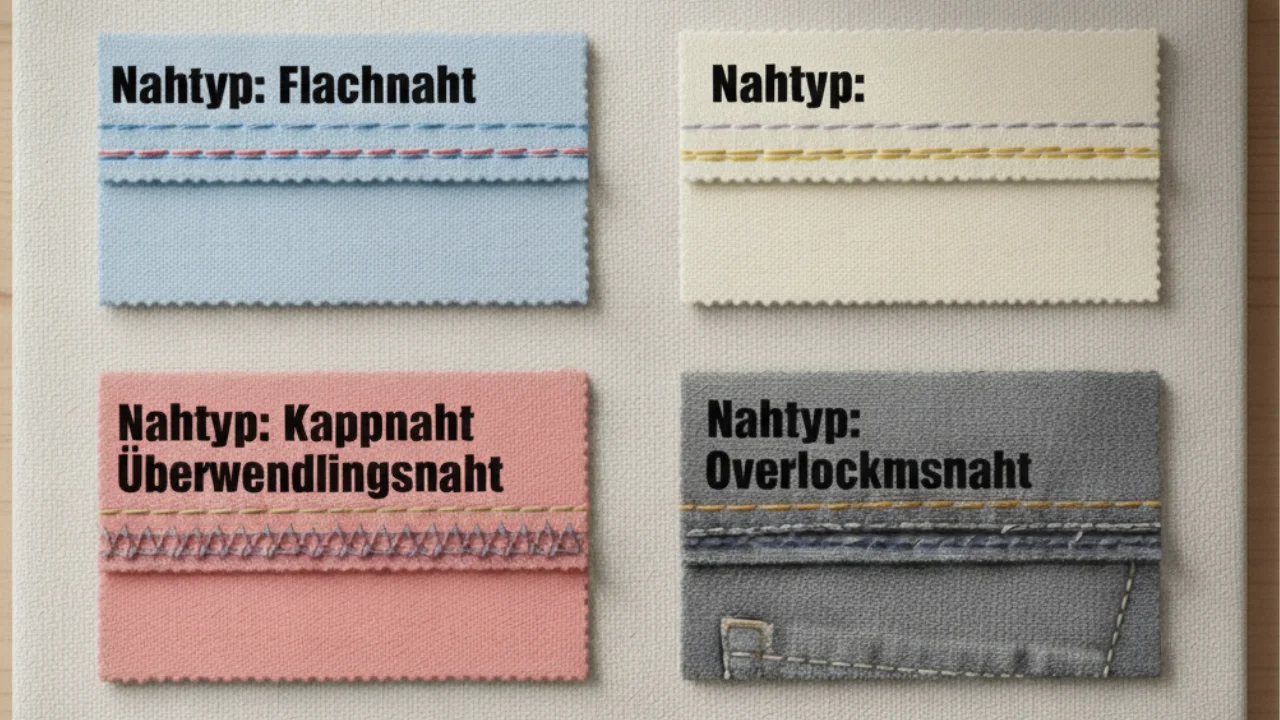
Creating something unique from fabric is more than just stitching pieces together — it’s an expression of creativity, patience, and technique. The way you join fabrics, finish edges, or add detailing defines the quality and beauty of your final piece. That’s where nahttypen come into play.
Understanding different nahttypen (types of seams) allows you to transform simple fabric into high-quality, professional-looking garments and projects. In this guide, you’ll explore the meaning, importance, and types of nahttypen, along with expert tips to make your sewing more creative, durable, and precise.
What Does “Nahttypen” Mean?
The term nahttypen comes from the German language and simply means “types of seams.” It refers to the various methods used to join two or more pieces of fabric together. Each type of seam serves a specific purpose — some add strength, others enhance flexibility, while many are designed to improve the appearance of your garment.
Every sewing project, from fashion design to home décor, relies on choosing the right nahttypen. Whether you’re creating a dress, a curtain, or a tote bag, the seam type determines the comfort, strength, and longevity of your product.
By understanding these sewing foundations, you can make smart choices, improve your finishing techniques, and elevate your fabric creations from beginner-level to professional-quality results.
Why Are Nahttypen Important in Sewing?
Seams are the backbone of every sewing project. The right nahttypen hold your fabric securely, prevent fraying, and maintain the structure of your garment. When used correctly, they can even hide imperfections or add decorative beauty.
Here’s why understanding nahttypen matters:
- Durability: The right seam type can withstand tension, washing, and movement, keeping your item intact for years.
- Comfort: Well-placed seams feel smooth on the skin and prevent irritation.
- Appearance: Clean and matching seams give your projects a professional look.
- Flexibility: Certain seams allow stretch in knit fabrics without breaking the thread.
- Efficiency: Knowing which nahttypen to use saves time and reduces mistakes.
When you think about sewing, think beyond the fabric — think about how your seams shape the story of your creation.
The Most Common Types of Nahttypen
Let’s look at the most popular and useful nahttypen used in sewing today. Each has its own function and creative purpose.
1. Plain Seam (Geradstichnaht)
This is the simplest and most commonly used seam among all nahttypen. It’s ideal for joining two pieces of fabric together.
Best for: Everyday garments, lightweight fabrics, and quick stitching.
Pro Tip: Always press your seams flat after stitching to give your project a crisp, clean appearance.
2. French Seam (Französische Naht)
This seam encloses the raw edges within the seam itself, making both sides of the fabric look neat.
Best for: Fine fabrics like silk, chiffon, and organza.
Pro Tip: Use a smaller stitch length to maintain a delicate look. Perfect for projects where the inside of the garment will be visible.
3. Flat-Felled Seam (Kappnaht)
Known for strength and durability, this nahttypen is often seen in jeans, uniforms, and outdoor wear. The seam is folded and stitched twice for extra toughness.
Best for: Denim, canvas, and sportswear.
Pro Tip: It’s slightly time-consuming but provides long-lasting results and prevents fraying.
4. Overlock Seam
The overlock seam, made using an overlock (serger) machine, trims and stitches the fabric simultaneously. It’s ideal for stretchy or knit fabrics.
Best for: Activewear, t-shirts, and stretchable garments.
Pro Tip: Experiment with different thread colors to create a decorative edge finish.
5. Bound Seam
This nahttypen uses a bias tape or fabric strip to encase raw edges, providing both protection and a neat look.
Best for: Jackets, unlined garments, and home décor items.
Pro Tip: Choose contrasting fabric tape for a stylish and colorful interior finish.
Choosing the Right Nahttypen for Your Project
Selecting the perfect seam depends on several key factors:
- Fabric Type: Light fabrics like silk need delicate seams, while heavy fabrics like denim require strong ones.
- Purpose of the Item: Is your project for fashion, function, or décor? Each goal demands a specific seam style.
- Look and Feel: Decorative seams add beauty; hidden seams keep the design clean.
- Durability Needs: For items that will be washed or used frequently, choose sturdy nahttypen like flat-felled or overlock seams.
A thoughtful choice ensures that your final creation not only looks great but also stands the test of time.
Tips for Perfect Seam Finishing
- Always press seams after sewing — it helps fabric layers sit flat and professional.
- Use the correct needle and thread for your fabric type.
- Trim excess fabric inside the seam to reduce bulk.
- Test your seam on scrap fabric before applying it to your main project.
- Keep your stitch length consistent to maintain an even appearance.
Attention to these small details builds trust in your craftsmanship and shows that you value precision and quality.
Creativity Through Nahttypen
Every stitch tells a story. By experimenting with different nahttypen, you can make your designs truly yours. A visible topstitch can add a modern edge, while a hidden seam offers elegance. You can even mix multiple seam types in one piece to balance durability and design.
Creativity thrives in experimentation. Try new seam techniques, play with thread colors, and explore textures — this is how sewing transforms from a skill into an art form.
Building Trust and Quality in Your Sewing Journey
Great sewing is not just about technique — it’s about consistency, reliability, and the desire to create something meaningful. Whether you sew professionally or as a hobby, showing dedication, sharing your experiences, and learning from experts helps build confidence in your work.
When you use high-quality materials, maintain precision in every nahttypen, and focus on user comfort, your creations naturally reflect care, authenticity, and attention to detail. These qualities earn appreciation and respect from clients, friends, and the sewing community alike.
FAQs
1. What are nahttypen used for?
Nahttypen are used to join fabric pieces securely. They give structure, durability, and finish to any garment or textile project.
2. Which nahttypen is best for beginners?
The plain seam is ideal for beginners because it’s easy to sew and works well for most fabrics.
3. How can I make my seams look professional?
Use the correct seam type for your fabric, press your seams after stitching, and maintain even stitch tension.
4. Are decorative seams part of nahttypen?
Yes! Decorative seams are creative types of nahttypen that add style and design value to your projects.
Conclusion
Understanding and mastering different nahttypen can completely transform how you create with fabric. From simple stitches to complex designs, each seam type has its purpose — strength, flexibility, or beauty.
When you combine the right materials, accurate techniques, and consistent practice, you bring trust, creativity, and professionalism into your sewing journey.
So next time you sit at your sewing machine, remember: your nahttypen are more than just stitches — they’re the threads of your creativity.

