


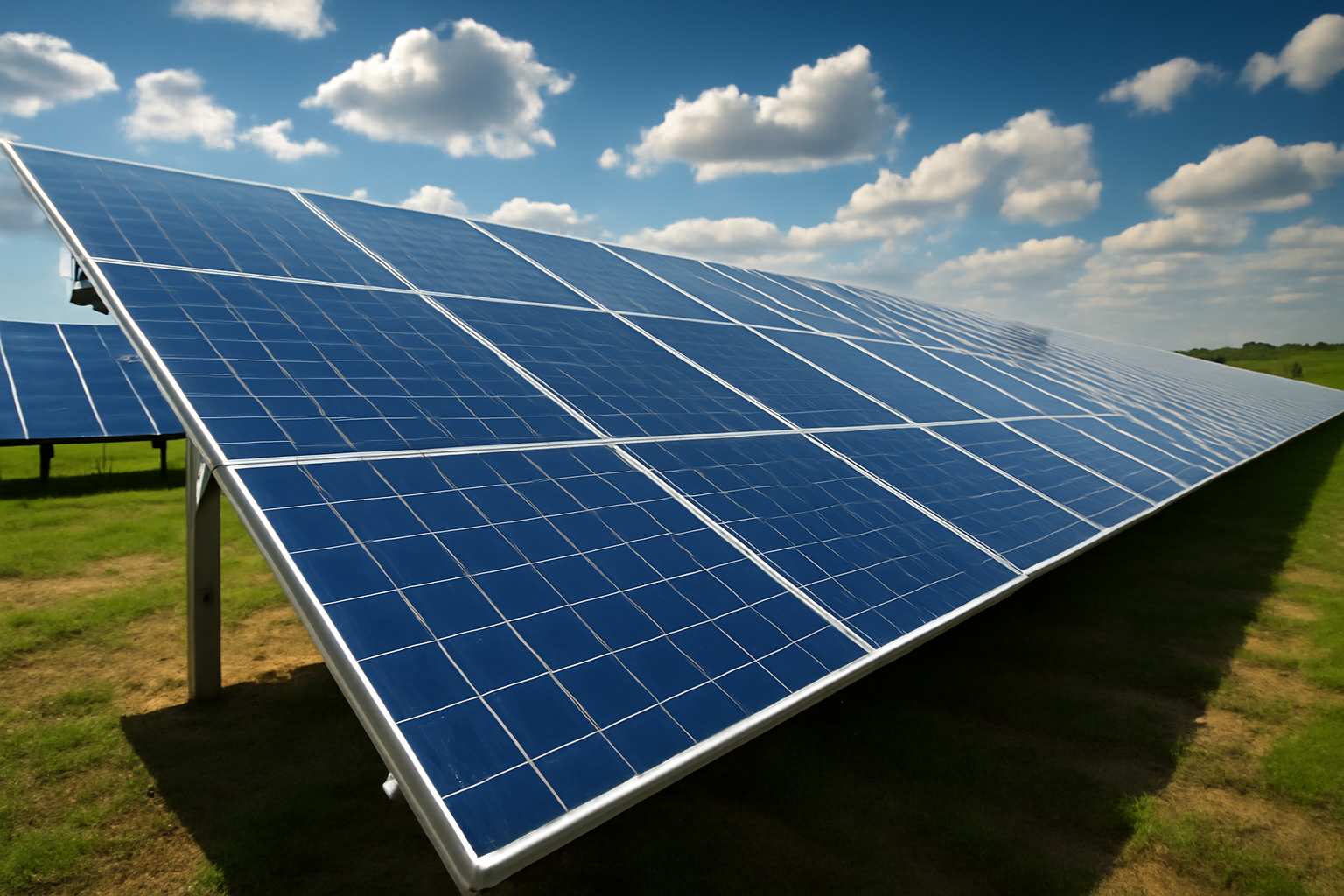
With the global focus shifting towards sustainable energy sources, solar power has emerged as a leading solution to reduce carbon emissions and combat climate change. Among the various types of renewable energy technologies, solar power has proven to be a highly efficient and accessible option for both residential and commercial use. At the heart of solar energy systems lies photovoltaic (PV) technology, which has seen remarkable advancements over the past few years. Today, these innovations in solar panel technology are not only making solar energy more affordable but also more reliable and efficient.
The Importance of Photovoltaic Technology
Photovoltaic systems are the backbone of solar energy systems. They work by converting sunlight into electricity through a process known as the photovoltaic effect. With the increasing efficiency of photovoltaic cells, this technology has been at the forefront of the renewable energy sector’s expansion. Photovoltaic systems are used in everything from small-scale residential setups to large commercial solar farms, contributing significantly to the global shift towards clean energy.
The efficiency of these systems continues to improve, thanks to the use of advanced materials, including high-efficiency silicon-based solar cells and thin-film technologies. These materials are designed to capture more sunlight and convert it into usable electricity, even under less-than-ideal weather conditions. This makes photovoltaic systems more reliable and practical, whether for large-scale industrial use or smaller, off-grid applications.
Key Benefits of Solar Energy and Photovoltaic Systems
- Environmental Sustainability: One of the most significant benefits of solar power is its minimal environmental impact. Solar power generation produces no greenhouse gases or air pollution, making it an eco-friendly alternative to fossil fuels. As more homes and businesses install solar panels, the global reliance on non-renewable energy sources decreases, significantly lowering the carbon footprint.
- Cost-Effectiveness: The initial investment in solar panel installation can be substantial, but the long-term savings on energy bills far outweigh the upfront costs. Solar panels have a long lifespan, often lasting over 25 years, and during this time, they can provide substantial savings. Additionally, with government incentives, tax rebates, and decreasing installation costs, solar energy is becoming more affordable than ever before.
- Energy Independence: With the installation of solar panels, individuals and businesses can generate their own electricity, reducing their reliance on external power sources. This energy independence can be especially beneficial in regions with unreliable power grids or areas prone to power outages. Furthermore, solar energy storage systems can store excess energy, ensuring that power is available even during nighttime or cloudy days.
- Job Creation and Economic Growth: The rise of solar power technology has also contributed to job creation in the energy sector. As demand for renewable energy grows, so does the need for solar panel installation, maintenance, and innovation. This, in turn, stimulates economic growth in communities worldwide.
Innovations in Solar Power Systems
The photovoltaic industry is continually evolving, with new innovations that make solar energy systems more efficient and versatile. One notable development is solar tracking systems, which allow panels to follow the sun’s movement throughout the day. This technology ensures that panels are always positioned to capture the maximum amount of sunlight, increasing energy production by up to 30%.
Another exciting innovation in the field is the integration of smart grid technology with photovoltaic systems. Smart grids enable better communication between solar energy systems and the power grid, allowing for more efficient distribution and use of solar power. This technology helps optimize the flow of electricity, reduce waste, and improve energy management.
The Role of Energy Storage in Photovoltaic Systems
A critical component of modern solar power systems is energy storage. Solar energy production can be intermittent, with higher output during sunny periods and less energy generation during cloudy weather or at night. To address this issue, solar batteries have been developed to store excess energy produced during the day, which can then be used during times of low production. This storage capability ensures that solar energy systems are reliable and capable of meeting energy demands 24/7.
The integration of lithium-ion batteries has been a game-changer in the solar energy industry. These batteries are lightweight, efficient, and have a longer lifespan compared to traditional storage methods. As technology continues to improve, the cost of energy storage is also decreasing, making it an increasingly viable option for homeowners and businesses alike.
Conclusion
The future of solar power and photovoltaic systems is incredibly bright. With continuous advancements in technology, these systems are becoming more efficient, affordable, and reliable than ever before. As the world continues to shift towards renewable energy, solar power is poised to play a leading role in reducing global carbon emissions and promoting a sustainable future.
By adopting solar energy, we can ensure a cleaner, more resilient energy future for generations to come.
Frequently Asked Questions (FAQ)
1. How does photovoltaic technology work?
Photovoltaic technology works by converting sunlight into electricity using solar cells. When sunlight hits the solar cells, it excites electrons, generating an electric current that can be used to power homes, businesses, and other devices.
2. What are the advantages of solar energy over traditional energy sources?
Solar energy is renewable, eco-friendly, and reduces dependence on fossil fuels. It is a cleaner source of energy that generates no pollution and has a much lower environmental impact compared to traditional energy sources.
3. What is the lifespan of solar panels?
Most solar panels last for over 25 years, with many systems still operating efficiently even beyond this time. With proper maintenance, solar panels can last up to 30-40 years.
4. Can solar panels work during cloudy weather or at night?
Yes, solar panels can still produce electricity on cloudy days, though their efficiency may be reduced. Additionally, energy storage systems allow excess energy generated during the day to be used at night or during periods of low sunlight.

