


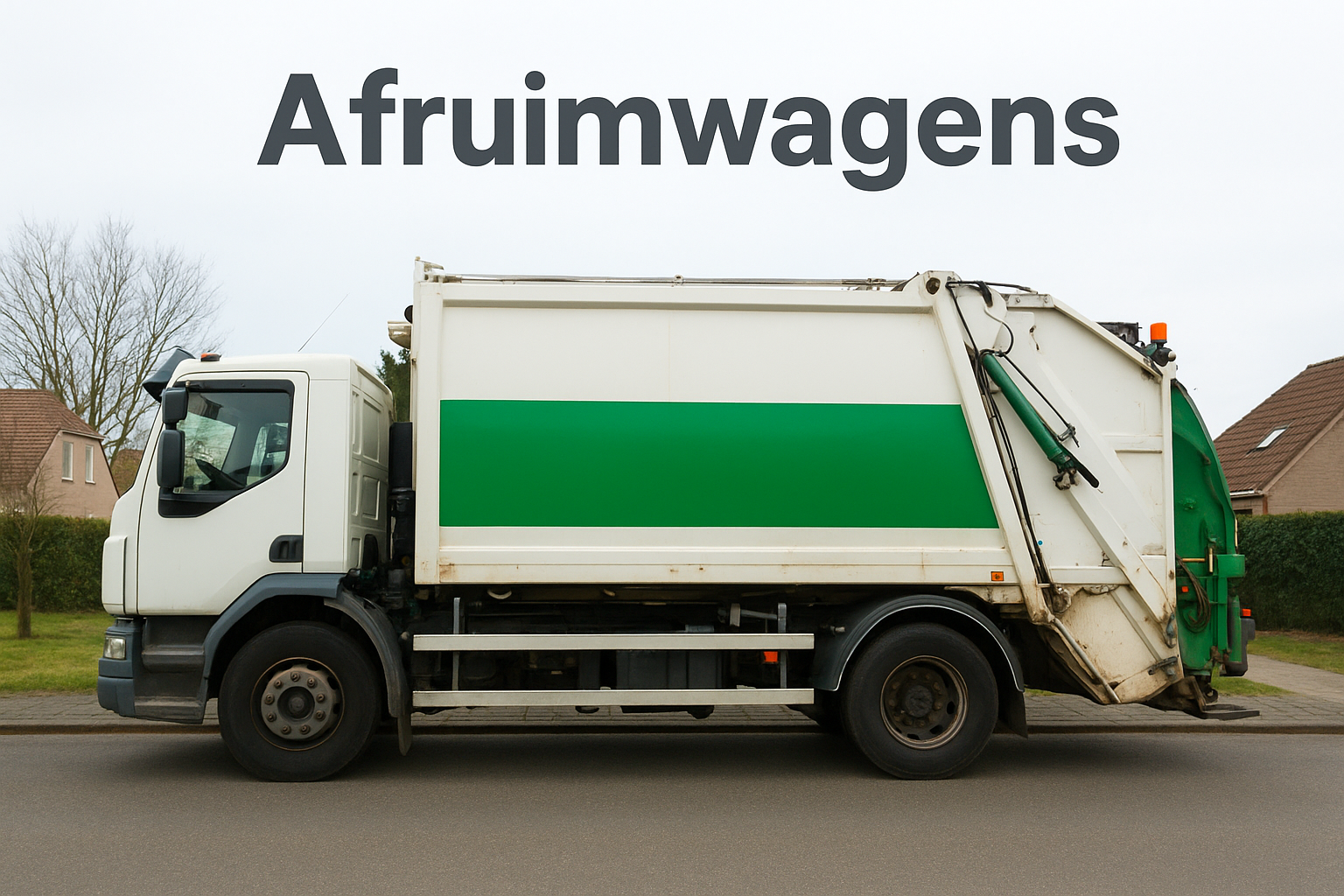
Afruimwagens have become an essential part of modern life. Whether in cities, towns, or small villages, these waste collection vehicles help keep streets clean, support public health, and make waste handling simple for everyone. But the journey of Afruimwagens did not start with modern trucks or automated systems. It began thousands of years ago when humans used basic wooden carts to remove waste from early settlements. Today, Afruimwagens stand as advanced machines used for sanitation, recycling, and efficient waste management.
In this article, we explore how Afruimwagens evolved from simple hand-pulled carts into today’s advanced utility tools, why they matter, how they support environmental goals, and what future innovations may look like. This history-driven approach helps users understand their importance in daily life and how these vehicles keep communities clean and safe.
The Early Beginnings: Simple Carts for Human Settlements
Long before modern sanitation systems, early humans relied on basic waste removal methods. In ancient cities such as Rome, Athens, and Mesopotamia, workers used small wooden carts to transport household waste outside city walls. These early “Afruimwagens,” although not called by that name at the time, served the same purpose—keeping living areas clean and preventing the spread of illness.
These primitive carts had no advanced parts. They were pulled by people or animals, depending on the time period and location. But they set the foundation for what Afruimwagens would later become: a reliable system for collecting waste and keeping communities healthy. They represent the first organized attempt at municipal waste management.
Middle Ages to 19th Century: Growth of Organized Waste Handling
As populations grew in Europe and other regions, waste became a major challenge. Cities started hiring teams to collect waste using pushcarts, barrows, and horse-drawn wagons. These vehicles are part of the long journey toward today’s Afruimwagens. The idea was simple: consistent collection, scheduled rounds, and dedicated workers.
During the 18th and 19th centuries, as industrialization increased, cities became more crowded. Waste volume expanded quickly. Horse-drawn wagons were redesigned to hold larger loads. Workers also began using early tools like shovels, metal bins, and collection bags. These upgrades were the first steps toward turning waste handling into a professional service.
The Modern Transformation: Birth of Mechanical Afruimwagens
The early 1900s brought a huge change—mechanical vehicles. Engines replaced horses, and Afruimwagens became more powerful and more efficient. By the 1920s and 1930s, waste trucks had compacting mechanisms, allowing them to handle more waste with fewer trips.
Modern Afruimwagens continued improving with features like:
- Hydraulic arms
- Rear-loading and side-loading systems
- Automated bin lifting
- Safety tools for workers
- Separate compartments for recycling
These advancements changed the way cities operate. Collection became faster, safer, and more organized. Municipal services used Afruimwagens not only for household waste but also for garden waste, commercial waste, and recycling materials.
Afruimwagens Today: A Key Part of Urban Life
Today’s Afruimwagens are powerful machines used in every part of urban and suburban life. They support sanitation departments, waste removal companies, recycling centers, and local government teams. Modern versions come in different types, such as:
- Rear-loader Afruimwagens
- Front-loader Afruimwagens
- Side-loader vehicles
- Mini-collection trucks for narrow streets
- Recycling collection units
- Organic waste collection trucks
Each type is designed for a specific need. For example, rear-loader Afruimwagens are common in residential neighborhoods, while front-loader vehicles work well for commercial areas with large dumpsters.
These waste collection vehicles help maintain public cleanliness, prevent disease, support recycling programs, and reduce pollution. They also help cities meet environmental goals and reduce landfill waste through organized sorting systems.
Why Afruimwagens Play a Major Role in Public Health
Afruimwagens do more than transport waste. They help protect the environment and public health. Without them, waste would pile up, attract pests, and increase the chances of diseases spreading. Regular waste pickup reduces air pollution, improves hygiene, and keeps neighborhoods pleasant.
In many countries, Afruimwagens are also used for:
- Collection of hazardous materials
- Street cleaning support
- Seasonal waste pickup (e.g., leaves, festival waste)
- Recycling material transportation
Their role extends beyond simple collection—they support a cleaner and healthier living environment for everyone.
Environmental Impact and Sustainability
Modern Afruimwagens are designed with eco-friendly systems. Many use low-emission engines, electric motors, or hybrid technology. Some even run on biogas produced from organic waste. This helps reduce carbon emissions and supports clean energy efforts.
Recycling Afruimwagens help separate paper, plastic, glass, and metal. This reduces landfill pressure and saves natural resources. Organic waste collection vehicles take food scraps and garden waste to composting sites, turning waste into fertile soil.
These improvements show how Afruimwagens support sustainability and environmental protection goals.
Future of Afruimwagens: Smart and Automated Systems
As technology grows, Afruimwagens will continue evolving. Future models may include:
- Fully electric vehicles
- Self-driving collection systems
- Smart sensors to measure waste levels
- AI-powered route planning
- Noise-free engines for night collection
These features will help cities use fewer resources, lower fuel costs, and reduce noise pollution.
The future of Afruimwagens will focus on efficiency and environmental safety, making them even more important for modern society.
Conclusion
Afruimwagens have come a long way—from ancient hand-pulled carts to advanced, eco-friendly waste collection machines. Their development reflects human progress, urban growth, and the need to maintain clean and healthy environments. Today, Afruimwagens continue to evolve with new technology, supporting recycling, sanitation, and public well-being. They remain one of the most important tools for modern cities and communities.
FAQs
1. What are Afruimwagens used for?
Afruimwagens are used for collecting and transporting waste, recycling materials, organic waste, and commercial garbage. They help keep cities clean and healthy.
2. Are Afruimwagens different from recycling trucks?
Yes. Some Afruimwagens are designed for general waste, while others are built for recycling collection with separate compartments.
3. How have Afruimwagens changed over time?
They evolved from simple wooden carts to motorized trucks with compacting systems, hydraulic arms, and automated loading features.
4. Are modern Afruimwagens eco-friendly?
Many modern Afruimwagens use electric engines, hybrid systems, or low-emission fuel to reduce environmental impact.

