


In the world of food, some creations don’t just please the taste buds—they tell a story. Masgonzola is one of those rare kinds of cheese that speaks both the language of flavor and emotion. It’s not just a dairy product; it’s a sensory experience, a blend of texture, taste, and feeling that connects people through food.
This article explores how masgonzola has become a symbol of modern flavor expression, merging tradition with creativity, and taste with emotion.
What Is Masgonzola?
Masgonzola is a unique Italian cheese that beautifully combines the creamy smoothness of mascarpone with the bold, blue-veined flavor of gorgonzola. It’s a perfect balance of soft richness and mild tang, designed for those who enjoy deep taste without overwhelming sharpness.
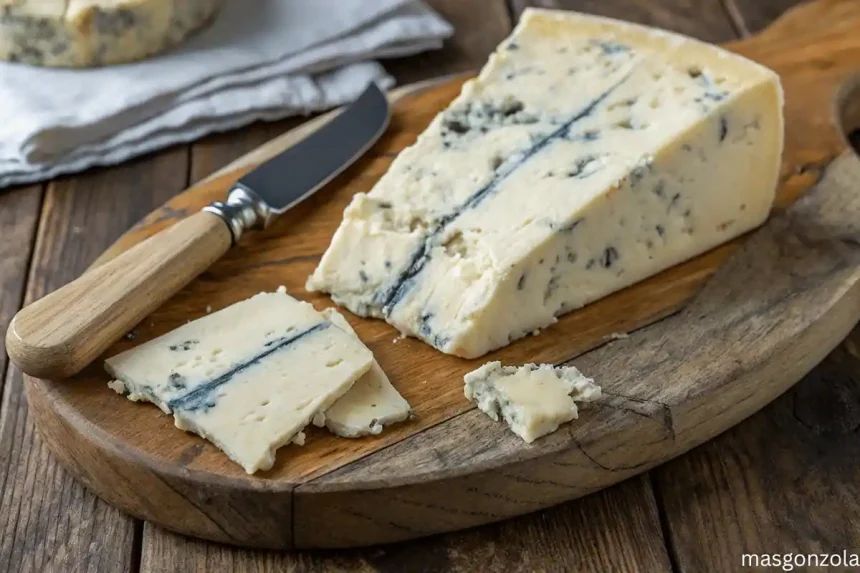
Made from cow’s milk, masgonzola has a pale ivory base with blue veins running through it, giving it both elegance and personality. The result is a cheese that’s smooth enough to spread but strong enough to stand on its own in recipes or on a cheese board.
A Taste That Speaks Emotion
Every bite of masgonzola tells a story. The first layer brings comfort — soft, buttery, and warm — like a quiet conversation by the fire. Then comes a hint of boldness from the blue veins, adding contrast and surprise. This blend of smooth and sharp creates an emotional balance, much like how people experience joy, curiosity, and comfort all at once.
Cheese lovers often describe masgonzola as more than a taste — they call it a feeling. Its flavor connects memory, nostalgia, and pleasure in one spoonful. That’s what makes it special: it awakens emotions while feeding the senses.
How Masgonzola Defines the New Language of Flavor
Food has always been a form of communication. Chefs use ingredients to express ideas, memories, and moods. Masgonzola fits perfectly into this evolving language of flavor because it merges two worlds — the creamy and the blue — into one story.
- Texture as Emotion – The velvety base of masgonzola represents comfort and calm. Its soft texture feels familiar, welcoming, and safe.
- Taste as Expression – The slight tang from its blue streaks brings personality and depth, showing that flavor can express boldness without losing gentleness.
- Balance as Meaning – True taste harmony isn’t about perfection but connection. Masgonzola demonstrates how contrast can create unity — just like emotions work in real life.
This new language of flavor is about understanding that food doesn’t just fill us; it moves us.
The Art of Making Masgonzola
Creating masgonzola is both science and art. Cheesemakers begin with fresh milk, adding cultures that create its soft mascarpone-like base. Then, they introduce blue mold — the same used in gorgonzola — which grows into delicate blue veins. The cheese is aged just long enough to form flavor depth without overpowering the creamy sweetness.
This balance of time, temperature, and texture gives masgonzola its gentle yet expressive taste. It’s handmade by artisans who understand how small changes in moisture or aging can completely transform its personality.
Entities: cheesemakers, Italy, dairy artisans, aging process, blue mold culture, Lombardy region, Piedmont origin.
Pairing Masgonzola with Emotion
Every great flavor deserves a perfect partner. Masgonzola pairs beautifully with foods and drinks that enhance its dual nature — creamy yet tangy, mild yet bold.
- With fruits: Fresh pears, figs, or grapes highlight its sweetness and contrast with its saltiness.
- With bread: A slice of crusty sourdough or a soft baguette brings warmth and texture.
- With wine: White wines like Chardonnay or sweet dessert wines create a lovely balance.
- With honey or jam: A drizzle of honey brings out the soft notes, while fig or berry jams enhance its richness.
These pairings don’t just taste good — they create emotion. A little sweetness with salt, a bit of crunch with cream — it’s the balance that keeps us coming back.
Masgonzola in Modern Cooking
Today’s chefs are redefining the role of cheese in cuisine, and masgonzola fits perfectly in this trend. Its adaptability allows it to transform everyday meals into gourmet experiences.
- Pasta & Risotto: Stir masgonzola into warm pasta for a creamy sauce that carries gentle blue notes.
- Pizza & Flatbreads: Add dollops of masgonzola over caramelized onions or mushrooms for depth and luxury.
- Salads: Sprinkle small chunks of masgonzola over arugula, pear slices, and walnuts for a refreshing contrast.
- Desserts: Believe it or not, some chefs use masgonzola in cheesecakes or truffles, pairing it with chocolate or caramel for a creative twist.
This versatility shows how masgonzola has become a bridge between tradition and innovation in the food world.
Why People Love Masgonzola
The charm of masgonzola isn’t just in its taste — it’s in how it makes people feel. It creates comfort like a soft melody and excitement like discovering a new language of flavor.
People love masgonzola because:
- It offers balance — not too strong, not too plain.
- It connects old Italian tradition with new culinary creativity.
- It invites both casual food lovers and expert chefs to explore.
- It’s more than a cheese; it’s a conversation starter, an experience, a moment shared around the table.
How to Enjoy Masgonzola at Home
To make the most of masgonzola, serve it at room temperature so its creamy texture softens and flavor deepens. Store it in breathable cheese paper or a wax wrap to maintain freshness.
You can use masgonzola to:
- Spread on toast or crackers for a quick snack.
- Melt into warm sauces or soups.
- Serve with fruits, nuts, and honey for dessert.
- Add to gourmet sandwiches or paninis.
Simple, honest, and satisfying — that’s the spirit of masgonzola.
Health and Nutrition Facts
Like most cheeses, masgonzola is rich in protein, calcium, and essential fats. It provides energy and supports bone health when enjoyed in moderation.
It’s naturally gluten-free and offers probiotics from its cultured molds, which can aid digestion. While it’s not a low-fat cheese, its quality ingredients make it a wholesome addition to balanced diets.
The Emotional Connection of Taste
When you taste masgonzola, you’re not just eating — you’re feeling. The soft creaminess comforts, the blue tang awakens, and the lingering aftertaste reminds you that flavor can express what words cannot.
This emotional connection is what defines the new language of food today. Chefs and food lovers are learning that taste can speak joy, calm, passion, and nostalgia all at once. Masgonzola is part of that movement — simple yet expressive, traditional yet forward-thinking.
Final Thoughts
Masgonzola isn’t just a combination of mascarpone and gorgonzola — it’s a meeting of feeling and flavor. It reminds us that food has the power to connect hearts, not just satisfy hunger.
When we share masgonzola, we share more than a dish — we share warmth, creativity, and emotion. That’s the true language of taste, and masgonzola speaks it beautifully.
FAQs
Q1: What makes masgonzola different from other cheeses?
Masgonzola combines the creaminess of mascarpone with the subtle sharpness of gorgonzola, creating a balanced taste that’s both mild and rich.
Q2: Can I use masgonzola in cooking?
Yes! Masgonzola melts perfectly in pasta, risotto, or pizza, and adds depth to salads, desserts, and sauces.
Q3: Is masgonzola suitable for people who don’t like strong blue cheese?
Absolutely. Masgonzola is milder than most blue cheeses, offering just a hint of tang without being overwhelming.
Q4: Where can I buy authentic masgonzola?
You can find it in specialty cheese shops, Italian delis, or gourmet grocery stores. Always check for freshness and proper storage.

