


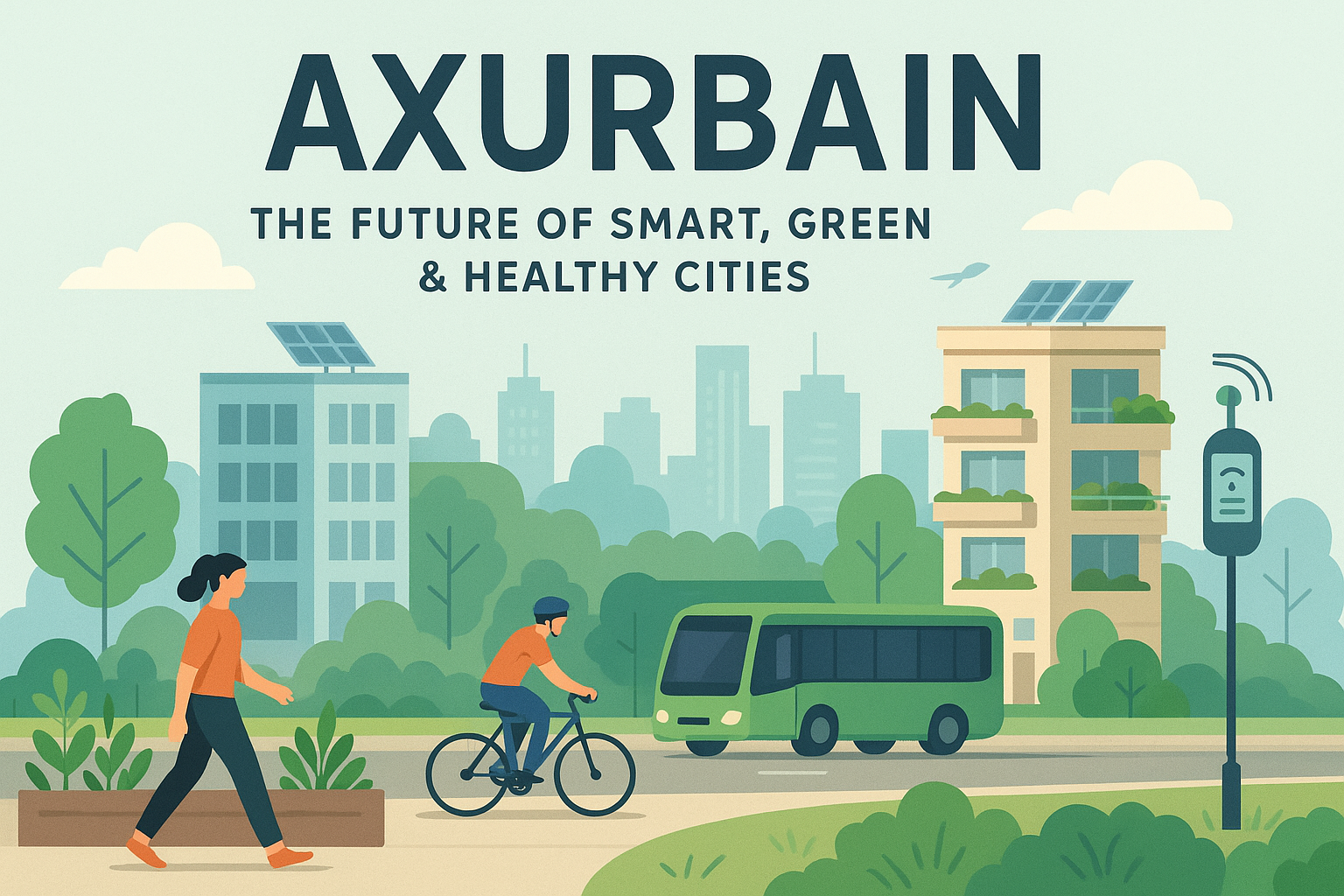
Cities are growing faster than ever, and with this growth comes challenges. Traffic jams, pollution, noise, lack of green spaces, and overcrowded areas are common problems in modern urban life. To address these issues, the concept of axurbain has emerged. Axurbain focuses on creating smart, sustainable, and human-centered cities that improve the quality of life for residents while protecting the environment.
What is Axurbain?
Axurbain is an urban development approach that combines technology, sustainability, and smart planning. It focuses on making cities more efficient, greener, and more livable. Unlike traditional city planning, axurbain emphasizes human well-being, clean energy, efficient transport, and community engagement. By integrating digital solutions and green infrastructure, axurbain aims to make urban life simpler and healthier.
In simple terms, axurbain is about planning cities where technology and nature work together to create better living conditions. This concept can be applied to both new cities and existing urban areas that need transformation.
Smart City Innovations with Axurbain
Technology plays a key role in axurbain. Smart city innovations like IoT sensors, automated street lighting, intelligent waste management, and mobility-on-demand transport help cities operate more efficiently. With sensors monitoring air quality and traffic, city authorities can make informed decisions to reduce congestion and pollution.
For example, smart traffic systems can adjust traffic lights in real time, preventing long jams. Public transport can be optimized using data to ensure buses and trains arrive on time, making commuting easier and less stressful. These solutions not only save time but also reduce the environmental impact of cities.
Digital solutions are also used for public safety. Surveillance cameras, emergency alerts, and predictive policing tools improve security, creating a safer urban environment for everyone.
Sustainability and Green Urban Planning
Sustainability is a cornerstone of axurbain. Cities planned with axurbain concepts use green roofs, vertical gardens, solar energy, and renewable resources to reduce environmental impact. Sponge city designs, which absorb rainwater and prevent flooding, are also part of sustainable urban planning.
Urban farming and green spaces are encouraged to make cities healthier. Parks, community gardens, and tree-lined streets improve air quality, reduce heat, and provide areas for recreation. Sustainable buildings with energy-efficient designs lower carbon footprints and help fight climate change.
By focusing on renewable energy, water conservation, and green infrastructure, axurbain creates cities that are both eco-friendly and resilient against natural disasters.
Human-Centered Urban Design
At the heart of axurbain is human-centered design. Cities are planned around the needs of people rather than just vehicles and buildings. The 15-minute city concept, which ensures residents can reach work, schools, parks, and essential services within 15 minutes of walking or biking, is an important part of axurbain.
Public spaces, community areas, and recreational zones are emphasized to improve mental and physical health. Tactical urbanism—small, low-cost, temporary changes like pop-up parks, bike lanes, and pedestrian zones—helps communities actively participate in shaping their surroundings.
Walkable neighborhoods reduce dependency on cars, lower traffic congestion, and improve air quality. Residents enjoy better health and a stronger sense of community, making cities more enjoyable and livable.
Axurbain in Action: Real Examples
Several cities worldwide are adopting principles similar to axurbain. For instance, Singapore uses smart sensors for traffic, energy, and water management, while promoting green architecture and rooftop gardens. Copenhagen focuses on cycling-friendly streets, renewable energy, and sustainable urban planning. These examples show how axurbain principles can create a balance between technology, nature, and human well-being.
In Asian cities like Karachi and Lahore, axurbain concepts could address challenges like pollution, traffic congestion, and overcrowded neighborhoods. By implementing smart transport systems, green spaces, and community-driven projects, these cities can improve the lives of millions of residents.
Challenges in Implementing Axurbain
While axurbain offers many benefits, implementing it comes with challenges. Cost is a major factor, as upgrading infrastructure and adopting new technologies require significant investment. Policy changes and government support are also crucial to successfully introduce axurbain principles.
Public awareness and community participation are essential. Residents need to understand the benefits of axurbain and actively take part in green initiatives and smart city projects. Collaboration between local authorities, private companies, and citizens ensures that the city transformation is smooth and effective.
Urban governance must also adapt to manage data, technology, and resources efficiently. Without proper planning and regulation, even well-intentioned axurbain projects can fail.
The Future with Axurbain
The potential of axurbain is immense. Cities that adopt these principles can become smarter, cleaner, safer, and more human-friendly. Residents will enjoy better health, reduced travel times, and more opportunities for social interaction and recreation.
By combining technology, sustainability, and human-centered planning, axurbain can lead the way in creating cities that are not only functional but also enjoyable to live in. Governments, urban planners, and citizens working together can transform urban life, making cities better for current and future generations.
Conclusion
Axurbain is more than just a concept—it is a roadmap for building cities that balance innovation, sustainability, and human well-being. Smart technologies, renewable energy, green spaces, and walkable neighborhoods make urban life healthier and more efficient. While challenges exist, proper planning, investment, and community participation can make axurbain a reality. Cities adopting these ideas will not only be modern and smart but also environmentally responsible and socially inclusive.
If your city is planning for the future, axurbain principles can guide every decision, from transport to parks to energy systems. Start embracing axurbain today, and watch your city transform into a model of innovation and sustainability.

