


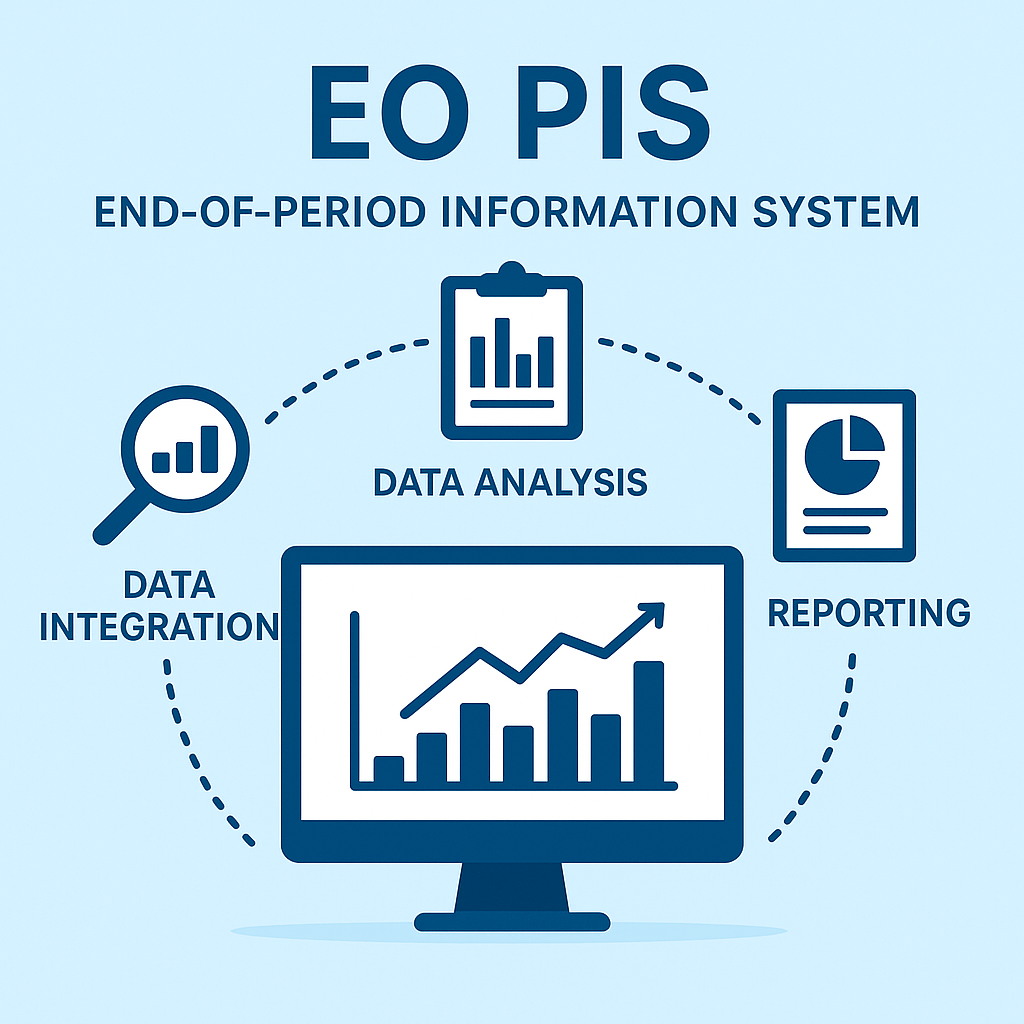
In today’s data-driven business environment, making informed decisions is crucial. One tool that has gained prominence in aiding such decisions is the End-of-Period Information System (EO PIS). This system plays a pivotal role in consolidating and analyzing data at the end of specific business periods, providing organizations with actionable insights. In this article, we’ll delve into what EO PIS is, its components, benefits, challenges, and best practices for implementation.
What is EO PIS?
EO PIS stands for End-of-Period Information System. It is a structured framework designed to capture, analyze, and report data at the conclusion of specific business periods—such as months, quarters, or fiscal years. Unlike real-time systems that focus on immediate operational data, EO PIS emphasizes post-period evaluation, allowing organizations to take a holistic view of their performance.
The primary objective of EO PIS is to provide businesses with accurate and timely insights into their historical performance. By consolidating data from various departments and systems, EO PIS enables organizations to assess their overall health and make informed decisions based on past performance.
Key Components of EO PIS
An effective EO PIS comprises several critical components:
1. Data Integration
EO PIS integrates data from multiple operational systems, including Enterprise Resource Planning (ERP), Customer Relationship Management (CRM), Human Resource Management (HRM), and financial systems. This integration ensures a comprehensive view of the organization’s performance across various functions.
2. Data Analysis
Once data is collected, EO PIS employs analytical tools and techniques to process and interpret the information. This analysis helps identify trends, patterns, and anomalies that can inform strategic decision-making.
3. Reporting
The final component involves generating reports and dashboards that present the analyzed data in a user-friendly format. These reports are tailored to different stakeholders, such as executives, managers, and auditors, facilitating informed decision-making.
Benefits of Implementing EO PIS
Implementing EO PIS offers several advantages to organizations:
1. Enhanced Decision-Making
By providing accurate and timely insights, EO PIS empowers decision-makers to make informed choices that align with the organization’s strategic goals.
2. Improved Compliance and Audit Readiness
EO PIS ensures that data is systematically captured and stored, making it easier to comply with regulatory requirements and undergo audits.
3. Operational Efficiency
By identifying inefficiencies and bottlenecks, EO PIS helps organizations streamline operations and improve overall efficiency.
4. Strategic Planning and Forecasting
EO PIS provides historical data that can be used to forecast future performance and plan strategically for growth and development.
Challenges in Implementing EO PIS
While EO PIS offers numerous benefits, its implementation can present challenges:
1. Data Quality Issues
Inaccurate or incomplete data can compromise the effectiveness of EO PIS. Ensuring data quality is paramount for reliable insights.
2. System Integration Complexities
Integrating data from various systems can be complex, especially if those systems are outdated or incompatible.
3. Change Management
Employees may resist adopting new systems and processes. Effective change management strategies are essential to facilitate smooth implementation.
4. Resource Intensiveness
Designing, maintaining, and operating an EO PIS requires significant financial and human resources.
Best Practices for EO PIS Implementation
To successfully implement EO PIS, consider the following best practices:
1. Start Small and Scale
Begin with pilot projects in specific departments before rolling out the system organization-wide. This approach allows for testing and refinement.
2. Ensure Data Quality
Implement data validation and cleansing processes to ensure the accuracy and completeness of the data being captured.
3. Engage Stakeholders
Involve end-users early in the process to ensure buy-in and usability. Their feedback can provide valuable insights into system design and functionality.
4. Automate Where Possible
Leverage automation to streamline repetitive tasks, reducing the risk of errors and freeing up resources for more strategic activities.
Conclusion
EO PIS is more than just a reporting framework—it is a strategic tool that empowers organizations to harness the power of historical data. By capturing, analyzing, and reporting end-of-period information, businesses can strengthen decision-making, enhance accountability, and prepare for the challenges of tomorrow. Implementing EO PIS requires careful planning and consideration, but the benefits it offers make it a worthwhile investment for organizations aiming for sustained growth and success.

